About
St James' history and the Church today
St James’ Church, Cameley, is a Grade I listed building situated in the Cam Valley. It stands outside the centre of the village that relocated to Temple Cloud in the eighteenth century.
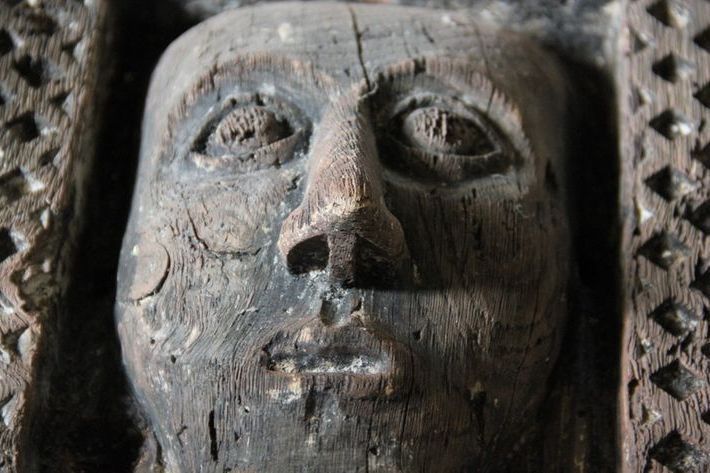
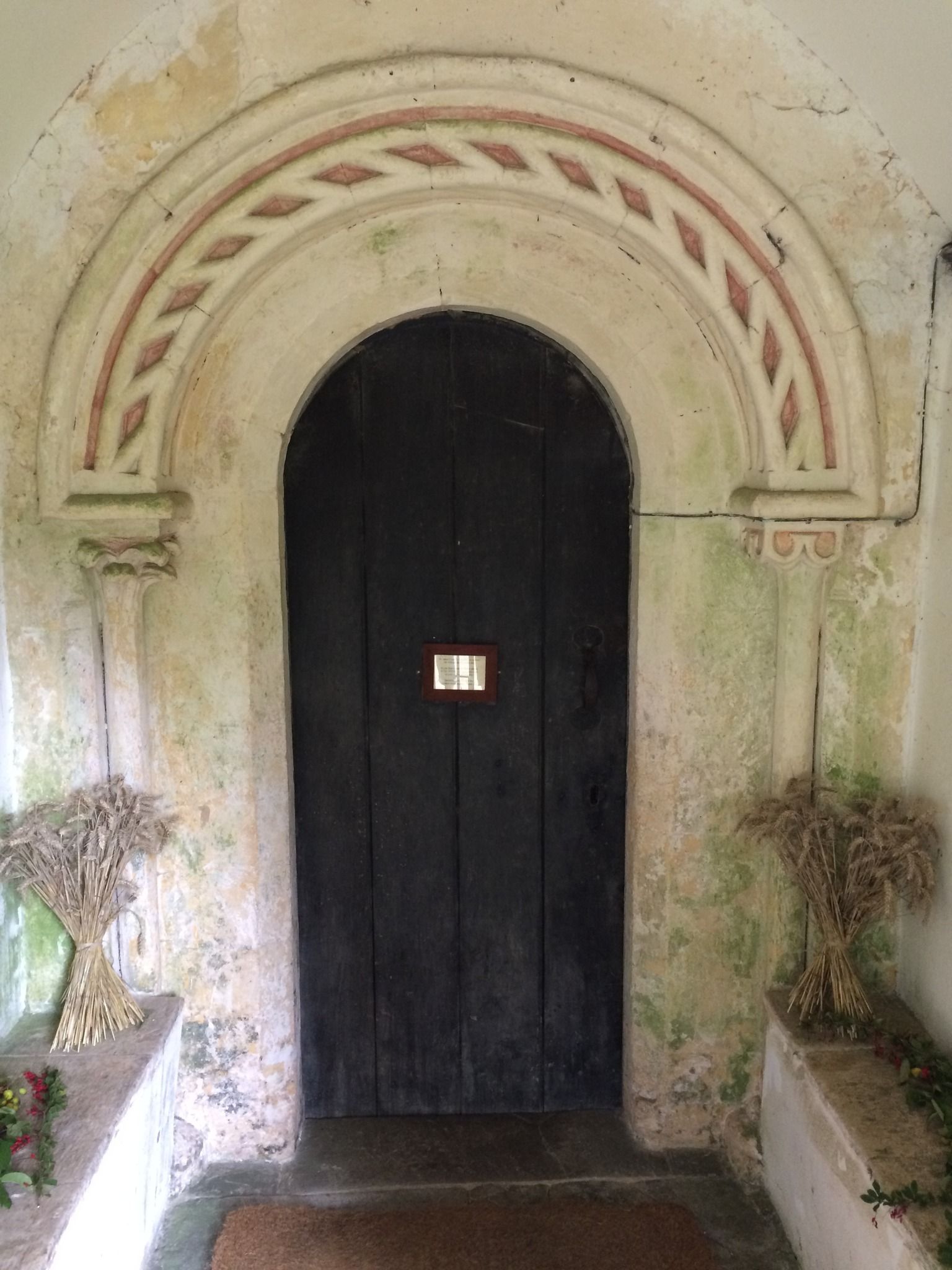
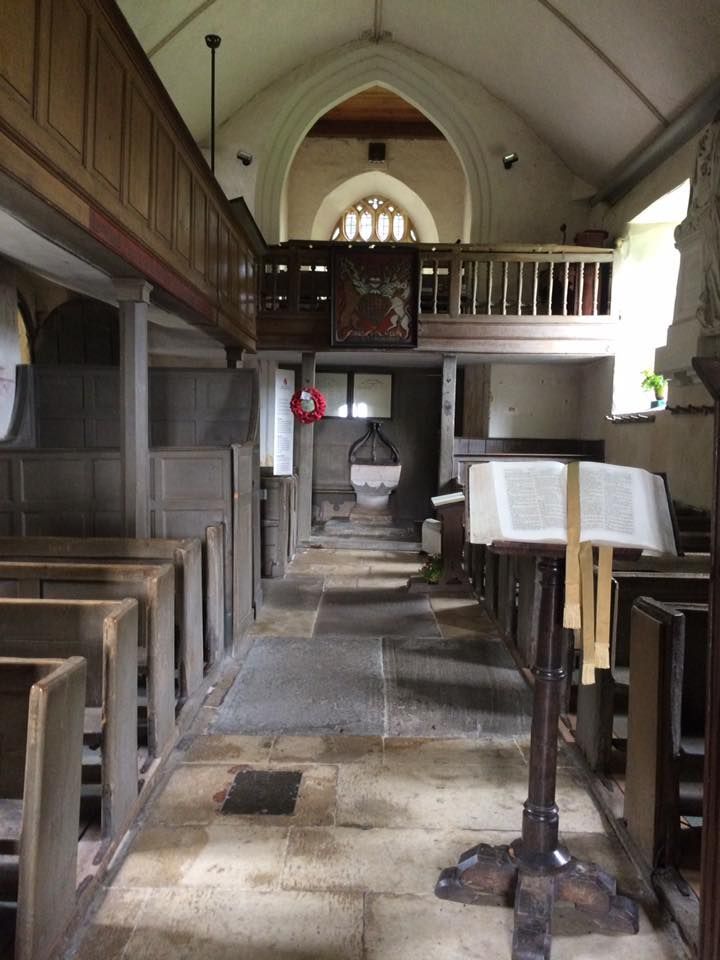
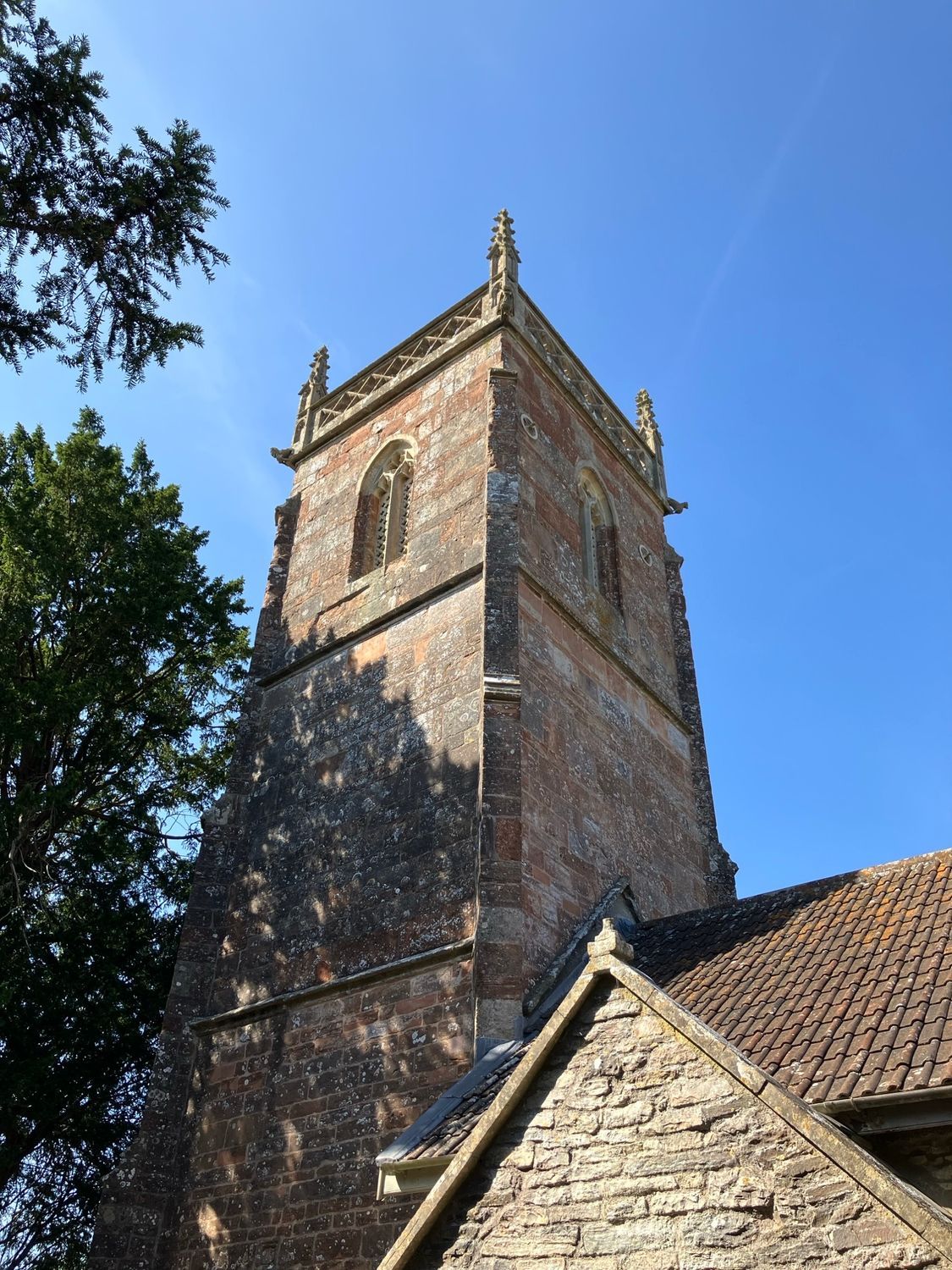
The building originally dates from the twelfth century, and some of this structure is still visible today. For example, the south doorway with its transitional arch and the twelfth-century font. A tower was added in the fifteenth century and a porch in 1620. The chancel has a late nineteenth-century open-rafter roof, and there is a timber west gallery dating from 1711 along the south internal wall.
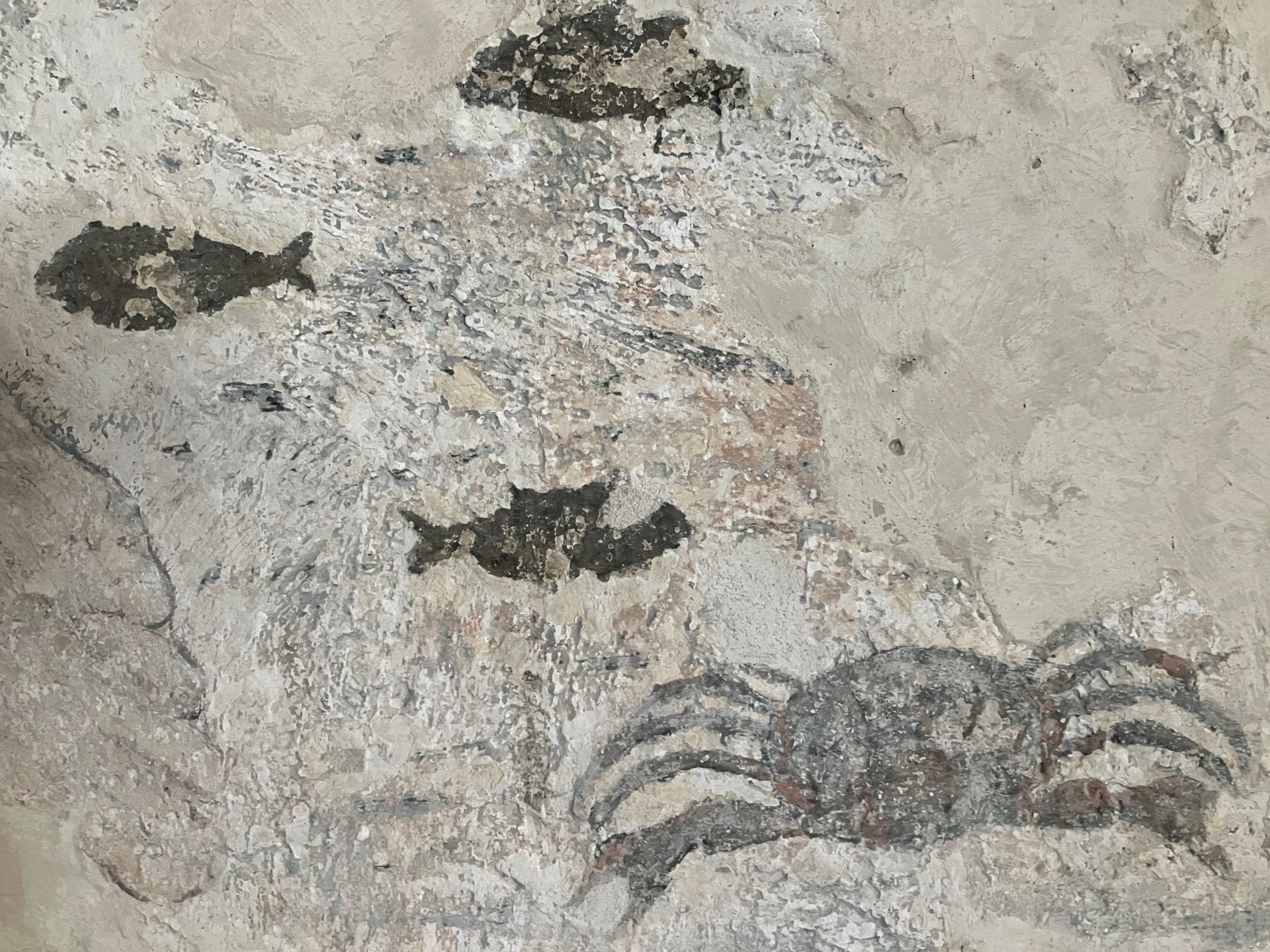
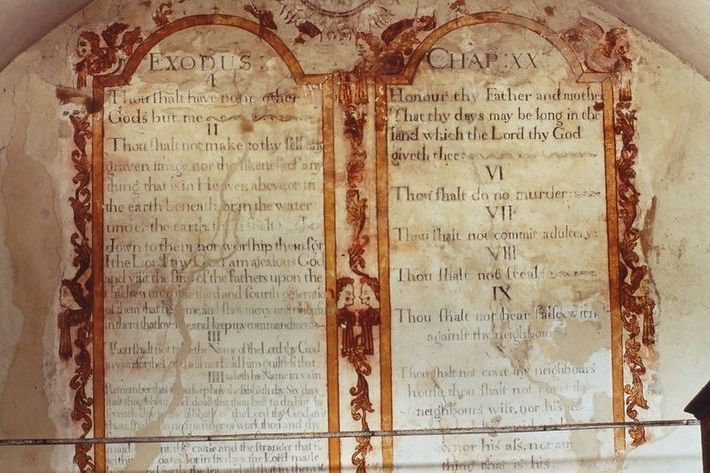
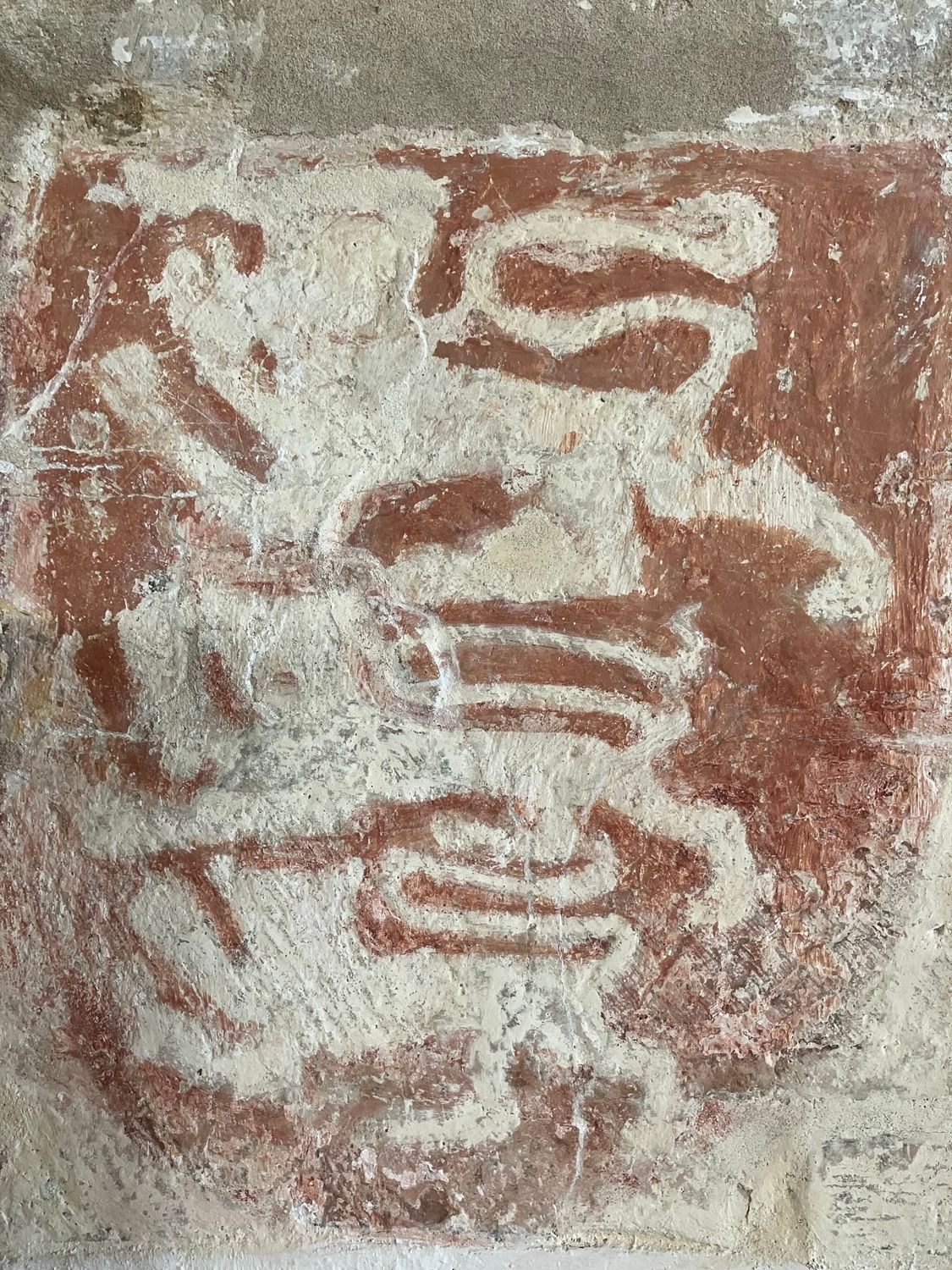
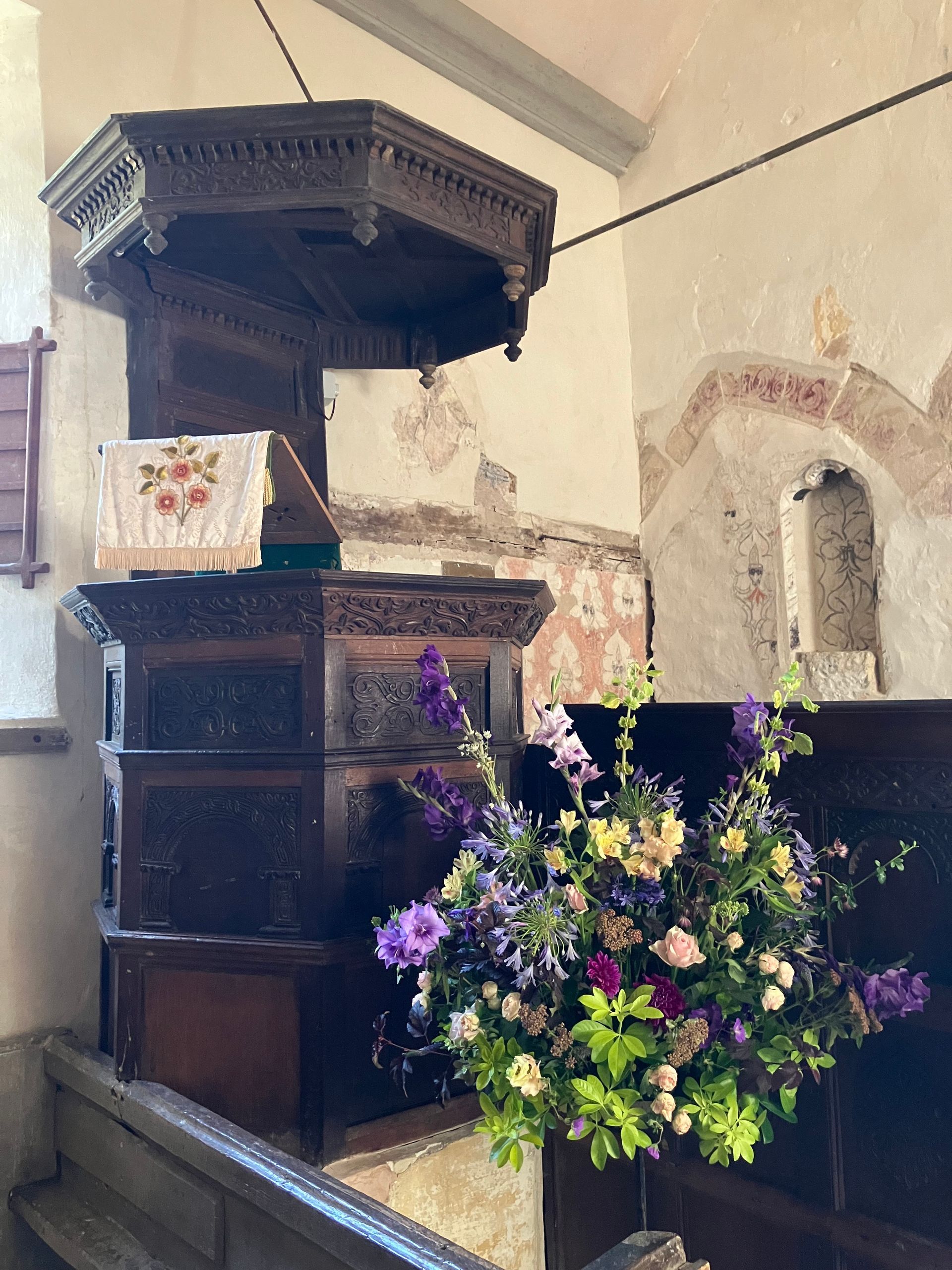
Many church wall paintings in England were removed after the Reformation, as they were considered an unnecessary distraction for worshippers. The Puritans of the seventeenth century also strongly disapproved of such adornments, and it is, therefore, remarkable that St James’ Church still retains so many fragments of the wall paintings from such a volatile period of history. Even the Victorians largely left the church alone, and St James’ stands today as it surely would have done hundreds of years ago.
In 1976, St James’ Church, Cameley, was declared pastorally redundant, and in 1981 it was vested to the Churches Conservation Trust. Six services are held each year, conducted by the local rector, as well as occasional christenings, weddings and funerals. The group of Friends was formed to care for the church and raise money for its upkeep, and volunteers aim to open the church every day.
Fundraising success
In partnership with the Churches Conservation Trust, the Friends of St James’ Cameley are delighted that funds have been secured to conserve the medieval wall paintings at St James' Church, Cameley. The wall paintings were uncovered in the 1960s, including an intriguing and unique jester. In 2024, a conservation report identified the need to stabilise the painted surfaces of the paintings in order to prevent their permanent loss.
A total of £35,000 has been raised for conservation work through a range of activities at the church, including concerts and expert-led talks. We are very grateful to grant funders and individuals who, through their generosity, helped to raise the funds required in just seven months. Conservation of the wall paintings will include delicate cleaning, then injection of grouting between the plaster and the solid wall behind, which will bind and stabilise the paintings. This work is scheduled to start in spring 2026.
Thank you to everyone who supported the fundraising project, which will conserve the paintings for future generations.